You’ve probably noticed how fast artificial intelligence has worked its way into every corner of customer service and marketing. What used to be manual or time-consuming is now automated, fast, and often more effective than ever. From smart chatbots answering queries at midnight to predictive analytics steering your campaigns toward the right audience, AI is doing a lot more than cutting costs—it’s changing the way you connect with customers. In this article, I’m going to walk you through the latest AI trends I see gaining real traction, the tools that are working well in the field, and how you can use them to improve both your customer experience and marketing performance.
Smarter Chatbots Are Doing More Than Just Talking
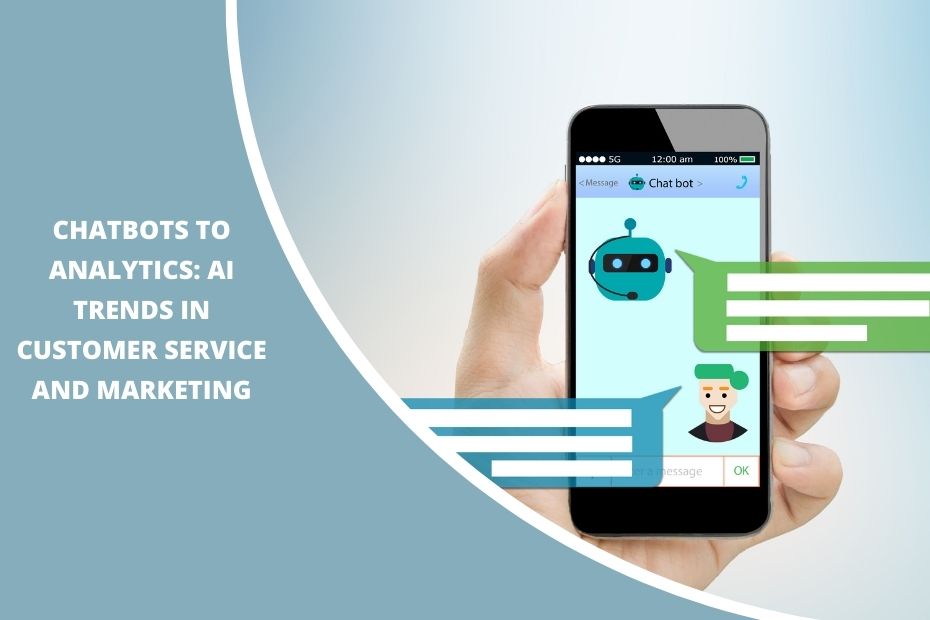
If you’re still thinking of chatbots as glorified FAQ engines, it’s time for a serious upgrade. The latest AI-powered chatbots are trained on natural language models that can actually understand context, manage complex queries, and even escalate conversations when needed—without sounding robotic. You can deploy these bots on your site, social media channels, and messaging apps, offering real-time support 24/7. That improves your customer service and saves a ton of hours for your team.
You’re no longer limited to pre-scripted responses. With tools like ChatGPT API and Google’s Dialogflow, your bots can understand intent and provide accurate, helpful answers. And when they’re integrated with your CRM, they can pull up order history, offer personalized solutions, and even initiate refunds or returns. Customers love fast and accurate support. If you want to keep satisfaction high and ticket volume low, this is a smart move.
Predictive Analytics Is the Engine Behind Smarter Marketing
The biggest leap forward in marketing is how predictive analytics is being used to fine-tune customer journeys. You’re sitting on a mountain of customer data—purchase history, email interactions, click-through rates, and even social behavior. AI can analyze all of that and forecast what a customer is likely to do next. That kind of foresight lets you serve the right message to the right person at exactly the right time.
Let’s say a customer browses your site frequently but hasn’t made a purchase in a while. A good AI engine can flag that behavior and trigger a retargeting campaign offering a special discount. Or if someone regularly shops in a certain category, your email campaigns can be automatically customized with new items from that collection. This isn’t guesswork—it’s calculated and data-driven. And the better your targeting, the higher your ROI.
AI Works Best When It’s Omnichannel
You know how frustrating it is when you talk to support on Twitter and they don’t know about your email from two hours ago? That’s a gap AI can fix. When you implement AI tools across your customer service platforms—chat, email, voice, and social—you’re creating a single thread of customer history that any agent or bot can access instantly.
This makes your operation smoother and your customer happier. If someone starts a return through chat and follows up by phone, the system already knows the issue. No need for them to repeat the story. And in marketing, having AI track customer journeys across platforms means you can deliver unified campaigns—maybe an email flows into an SMS follow-up and then a chatbot reminder, all with the same tone and goal. When done well, this makes your brand feel coordinated, not scattered.
Voice Assistants Are Expanding Access and Speed
It’s no longer a novelty for someone to say, “Alexa, check my order” or “Siri, call customer service.” Voice search and voice-activated assistants have quickly become part of the shopping and support experience. If you’re not optimizing your channels for voice, you’re missing a big opportunity.
The best part is, you can train your own voice assistant with AI models and connect it to your back-end systems. It can guide users through product FAQs, troubleshoot basic issues, or even complete a purchase. This gives your customers a faster, hands-free option—perfect for multitaskers or people on the go.
And voice isn’t just for service. You can use it in marketing too. Smart speakers are becoming ad platforms. Imagine running short, spoken ads that play before someone listens to music or checks the weather. It’s an untapped stream with strong potential for customer engagement.
AI and Customer Feedback Go Hand-in-Hand
Customer feedback has always been important, but sorting through thousands of survey responses, reviews, or social comments is impossible without help. AI sentiment analysis tools make this manageable. They scan written feedback in real time and categorize it—positive, negative, neutral. Then they highlight common topics, urgent issues, or product mentions so you can act on them.
Instead of waiting weeks to understand customer pain points, you’ll see them right away. Let’s say a spike in negative feedback points to a new product malfunction. AI flags it, and your team can respond before it turns into a bigger problem. Or maybe customers are loving a specific feature—now you know to double down on promoting it.
This real-time loop between your customers and your decision-making process makes your brand more responsive and trustworthy. And when customers feel heard, they’re more likely to stay loyal.
AI Is Also Changing the Way You Create Content
AI isn’t just helping you analyze data—it’s also helping you write. AI tools like Jasper, Writesonic, and even the latest version of ChatGPT can generate marketing copy, social captions, email subject lines, and product descriptions in seconds. But here’s the catch: You still need to review and refine it.
What AI does well is speed things up and give you a starting point. If you’re running campaigns that need lots of personalized content, these tools can help scale your output while keeping it relevant. You can feed in audience personas or campaign goals and get suggestions tailored to different segments.
For marketers working under tight deadlines, AI-generated content can be a lifesaver. Just make sure the final copy has your brand voice and accuracy locked in. Use AI to work smarter, not to cut corners.
The Data Privacy Question You Can’t Ignore
Anytime you collect customer data, privacy is on the table. And with AI pulling data from multiple sources to create personalized experiences, you need to stay transparent. Make it clear how you’re collecting data, how it’s used, and how customers can opt out if they want to.
If you’re using AI tools from third-party providers, check that their systems are compliant with relevant data protection regulations. You don’t want surprises later. Invest in encryption, secure APIs, and regular audits to keep things safe. AI can improve customer experience, but only if trust is maintained.
Common AI Trends in Customer Service and Marketing
- AI chatbots provide round-the-clock support.
- Predictive analytics enhances personalization.
- Omnichannel AI syncs communication history.
- Voice assistants enable hands-free engagement.
- AI tools generate and personalize content.
- Real-time feedback analysis improves service.
- Data privacy remains a top priority.
In Conclusion
If you’re serious about improving customer experience and running smarter marketing campaigns, AI is no longer optional. It’s the engine behind better service, faster decision-making, and more meaningful engagement. By using the right tools—chatbots, analytics, voice tech, content generators—you’ll save time and build stronger relationships with your audience. The key is to stay focused on the customer’s needs and keep the tech working in service of that goal.
For more insights on marketing, automation, and the future of customer experience,join me on WordPress for fresh ideas, practical strategies, and updates that matter.